

Protect Your Assets &
Still Qualify for Medicaid.
- Keep your savings, home & retirement accounts
- Qualify even over the $2,000 asset limit
- 100% Medicaid approval rate — attorney-led
Let's Protect Your Assets Today.
A few quick details so we can prepare for your complimentary call with our paralegal.
Families Who Trusted Us With What Mattered Most.
Real South Florida families facing nursing home costs and the fear of losing everything. Here is what working with PK Law made possible.
Your Family Has Assets.
That's Exactly Why You Need to Call Us First.
Your family has savings, a home, and retirement accounts. And someone just told you that your loved one has too many assets to qualify for Medicaid. That is more common than you think — and it is not the end of the road.
Florida law provides legal strategies that allow families over the Medicaid asset limit to qualify for long-term care benefits while protecting what they have built. We have helped hundreds of South Florida families do exactly that. But the sooner you call us, the more we can protect.
A family came to us after their mother had already been in a nursing home for three years. By the time they called, they had spent over $400,000 of her savings — and never knew Medicaid planning could have protected most of it. We helped them with what remained. But we could have saved far more if they had called us first.
Unfortunately, there is a great deal of misinformation about what Medicaid planning requires. Families are told they must sell their home, divorce their spouse, or give everything away before they can qualify. None of that is true. With the right legal strategy, most families protect far more than they expected — legally, ethically, and on time.
A word of caution: incorrect Medicaid planning — whether from well-meaning friends, the nursing facility, or unqualified advisors — has cost our clients tens of thousands of dollars in corrections. This is a highly technical area of law. The cost of getting it wrong is real. Get an attorney before you do anything.
What Is Medicaid — and How Does It Pay for Long-Term Care?
Medicaid is the government program that covers long-term nursing home and assisted living care for people who meet income and asset eligibility requirements. It is not the same as Medicare — and understanding the difference is one of the most important things a family can know.
Medicare is the federal health insurance program most seniors use for doctors, hospitals, and short-term rehabilitation. It covers skilled nursing facility care — but only under very specific conditions, and only for a limited time.
- Covers up to 100 days of skilled nursing after a qualifying hospital stay
- Does not cover long-term nursing home stays
- Does not cover ongoing custodial or personal care at home
- Does not cover assisted living facility costs
Once Medicare ends, families are on their own — until Medicaid planning steps in.
Medicaid is the joint state-federal program designed specifically to cover long-term care — including nursing home stays, assisted living, and in-home aides — for people who meet eligibility requirements.
- Covers indefinite nursing home stays once eligible
- Covers assisted living and memory care facilities
- Covers in-home care and personal aides through Florida waiver programs
- Requires meeting strict asset and income limits — which is where we help
For most Florida families, Medicaid is the only realistic way to fund long-term care without depleting everything.
What You've Been Told Is Probably Wrong.
There is more misinformation about Medicaid planning than almost any other area of law. Here are the four most damaging myths — and what is actually true.
"We have to sell our home to qualify."
In most cases, you do not have to sell your home. Florida exempts the primary residence from Medicaid asset limits — especially when a spouse or dependent family member still lives there. There are also legal strategies to protect the home from Medicaid estate recovery after death.
"We need to get divorced to protect our assets."
Divorce is never necessary — and attempting it for Medicaid purposes can backfire badly. Florida's community spouse protection laws allow the spouse at home to keep significant assets and income.
"We just need to give everything away to the kids."
Unplanned gifts made within five years of a Medicaid application are reviewed under the look-back period. Transfers that don't follow the rules trigger penalty periods — meaning Medicaid won't pay for care for months, even if all assets are now gone. Do not give anything away without an attorney.
"It's too late — they're already in the nursing home."
It is rarely too late. Even after a loved one has been admitted to a nursing home, there are often legal strategies available to protect a significant portion of remaining assets. Crisis planning is one of our specialties. The sooner you call, the more options we have — but do not assume the window has closed.
The Exact Numbers That Determine Your Options.
Florida Medicaid has strict asset and income limits for long-term care. If your family exceeds these — and most do — you need a legal strategy, not just an application.
| Limit / Asset type | Single applicant | Married (one spouse applying) |
|---|---|---|
| Countable asset limit | $2,000 | $3,000 combined |
| Monthly income limit | $2,901 / month | $5,802 / month combined |
| Primary home equity | Exempt up to $730,000 | Fully exempt if spouse resides there |
| One vehicle | Exempt | Exempt |
| Life insurance (face value) | Exempt up to $2,500 | Exempt up to $2,500 |
| Irrevocable funeral contract | Exempt | Exempt |
| Personal belongings & household goods | Exempt | Exempt |
| Bank & savings accounts | Countable | Countable |
| Investment & brokerage accounts | Countable | Countable |
| Retirement accounts (IRA, 401k) | Countable | Countable |
| Investment real estate | Countable | Countable |
| Stocks & bonds | Countable | Countable |
Essential Documents Every Family Needs in Place.
Proper Medicaid planning starts with having the right legal documents drafted correctly. Simply filling out forms is not enough — these documents must reflect your specific wishes and be carefully crafted by an attorney.
Designates someone to handle financial and legal matters if you become incapacitated. Without this, your family may need to go to court for guardianship — a costly and time-consuming process that can delay Medicaid planning entirely.
Names someone to make medical decisions on your behalf when you cannot. This document must be carefully worded to give your surrogate the authority they need — especially regarding nursing home placement, treatment decisions, and end-of-life care.
States your wishes about end-of-life medical treatment — including life-sustaining measures, artificial nutrition, and resuscitation. A living will ensures your care preferences are respected and removes an impossible burden from your family at the most difficult moment.
Does Your Family's Situation Sound Like This?
These are the three most common cases we see across Broward, Miami-Dade, and Palm Beach counties. Every family's situation is different — but if any of these feel familiar, you should call us before you do anything else.
Amy is in her early 70s. John is almost 80. One day John suffers a severe stroke — he is rushed to the hospital, transferred to rehabilitation, and after several weeks Amy is told he is no longer making progress. He will need long-term care in a nursing home permanently.
Amy is devastated. She knows she needs to act quickly. Nursing homes in South Florida average over $10,000 per month — more than $120,000 a year. Despite having savings, investments, and a home they built together, Amy has no idea how they will afford this without spending everything they have. She has been told she may have to sell their home or even get a divorce to qualify John for Medicaid.
She was given wrong information. Neither is necessary.
- Amy does not have to sell their home — it is protected
- Amy keeps her savings, investments, and financial security
- John qualifies for Medicaid to cover his nursing home costs
- No 5-year waiting period — John can qualify now, not after spending down
- The community spouse protections Florida law provides are fully maximized
Sound like your family? We handle this situation regularly — and the sooner you call, the more options you have.
Call (954) 233-0682Ruth's husband passed away years ago. She has been living independently — but over time, dementia and frequent falls have made that impossible. Her family has made the difficult decision to move her into a nursing home. It is the right decision for her care. But it comes with a serious financial problem.
Ruth has savings in the bank. Because her countable assets exceed $2,000 — the Florida Medicaid limit for a single individual — she does not qualify for benefits. Her family has been told she must spend down everything before Medicaid will help. At $10,000+ per month, that could happen very quickly.
There is a legal strategy available — but it must be done correctly.
One of the most effective strategies in Ruth's situation is a Personal Services Contract (PSC). This is a legal agreement in which Ruth compensates a family member for providing care coordination services at fair market value — the same rate she would pay a hired professional.
A properly drafted PSC can cover a range of services, including:
- Ruth's countable assets are legally reduced — bringing her below the Medicaid limit
- The family member providing services is fairly compensated at market rate
- Ruth qualifies for Medicaid benefits to cover her nursing home costs
- Meaningful savings are preserved for Ruth's family — rather than spent on nursing home bills
Is your loved one in Ruth's situation? Do not spend down before calling us — there are legal options available.
Call (954) 233-0682Tina has lived in South Florida for over 15 years. Her husband passed away years ago. She has built a life and community here — her doctors, her neighbors, her routines. Her son Dan lives in New York. As Tina's health declines and she can no longer live alone, Dan faces a decision he was never prepared to make.
Should Mom stay in Florida for care — or move to New York to be closer to family?
It is a deeply personal question. But it is also a legal and financial one that most families do not realize until it is too late. Medicaid is a state-federal program — and the rules are different in every state.
Is your parent in Florida while you live out of state? This is one of the most common situations we handle. Let us help you make the right call.
Call (954) 233-0682The Experienced, Calm Voice Your Family Needs Right Now.
When a loved one needs long-term care, families are suddenly facing decisions they were never prepared for. Patricia founded her practice to be the trusted guide through exactly that storm.
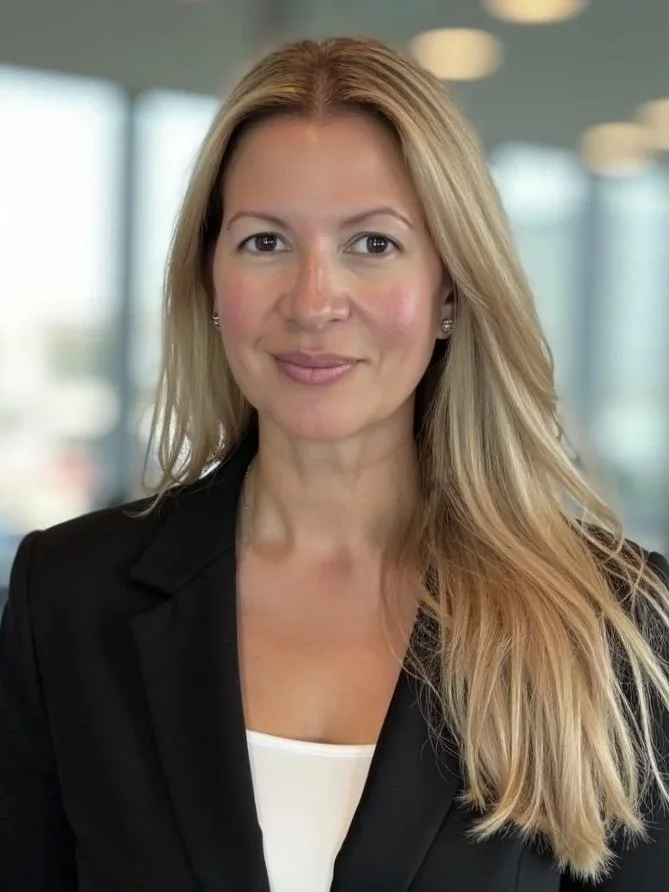
Patricia F. Keyes
Florida Medicaid & Elder Law Attorney
When a loved one needs nursing home or assisted living care, families face skyrocketing costs, confusing eligibility rules, and the very real fear of losing everything they have worked to build. Patricia founded her practice to be the calm, experienced voice in that storm.
With an LL.M. in Estate Planning and years of focused Medicaid planning experience across Broward, Miami-Dade, and Palm Beach counties, Patricia has helped hundreds of Florida families protect their savings, their homes, and their spouses' financial security — while still qualifying for the long-term care benefits they need. When the clock is running and the bills are mounting, she becomes your family's fiercest advocate.
"No family should have to spend down a lifetime of savings just to get the care they need. My job is to make sure they don't have to."
— Patricia F. Keyes
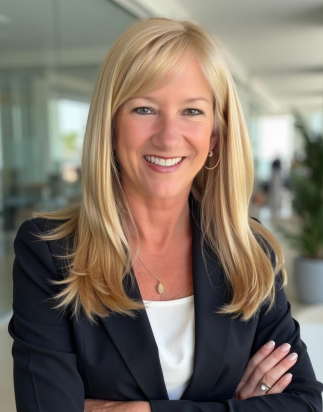
Jodi Mc-Mahon Bergman
Paralegal

Brant Boehm
Legal Assistant
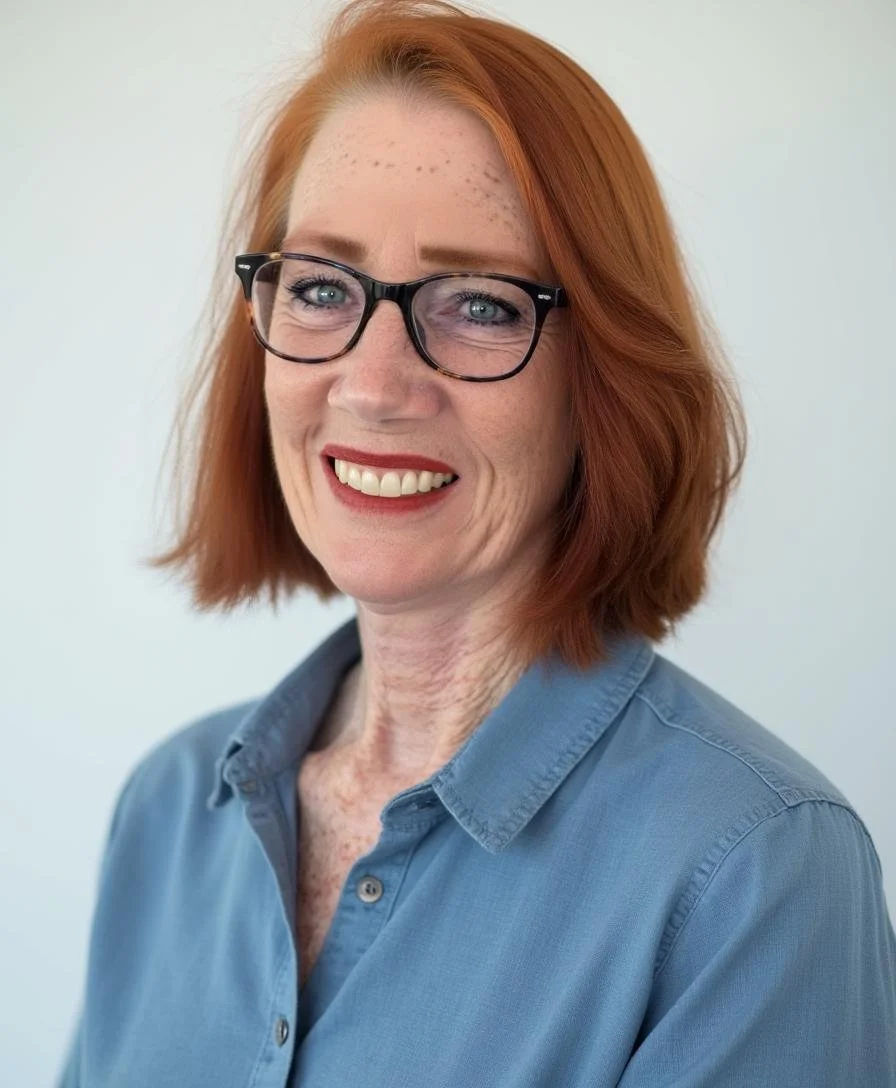
Catherine Laystrom
Legal Assistant
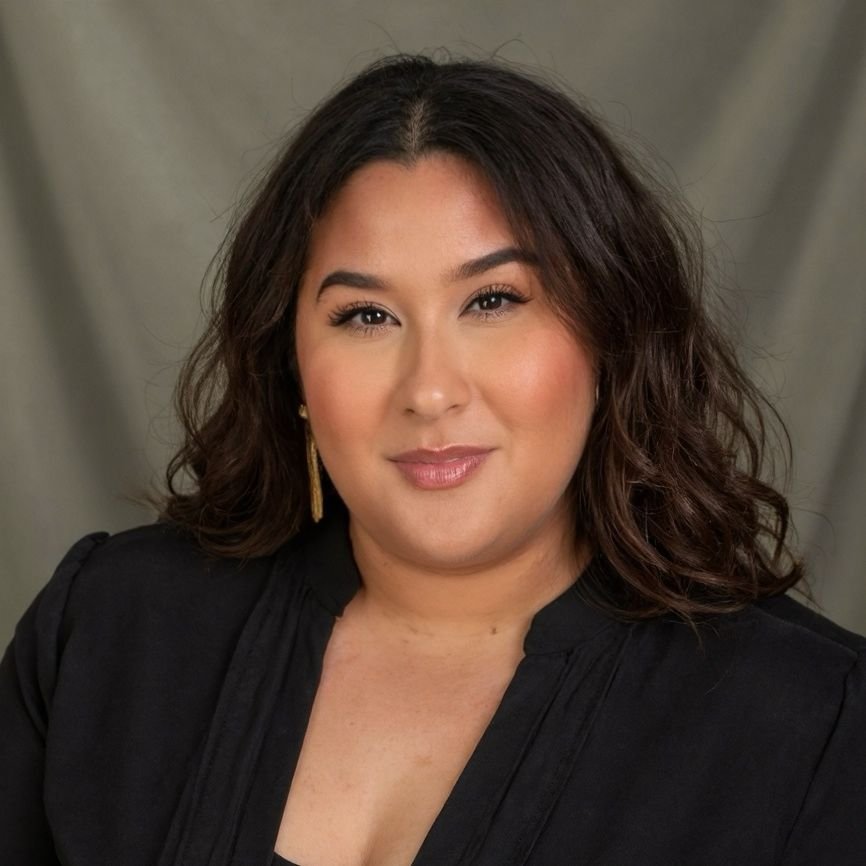
Lyn Estrada
Paralegal

Arianny Bolivar
Legal Assistant
Simple, Transparent — No Surprises.
We charge flat fees — so you know exactly what you are paying before any work begins. No hourly billing. No unexpected invoices. Here is exactly what working with PK Law looks like from your very first call.
Complimentary Call with Our Paralegal
Tell us your situation. Our paralegal listens carefully — and we only move forward if we genuinely believe we can help. No wasted time. No wasted money. No pressure. This call is free and carries no obligation.
- Tell us about your loved one's care situation and what assets are involved
- We ask the right questions to understand your family's specific needs
- We give you an honest assessment — if we are not the right fit, we will tell you
- If we can help, we schedule a full strategy session with Patricia
Working Strategy Session with Patricia
We do not mess around. This is a working meeting — not a sales pitch. Patricia reviews your assets, your income, your care situation, and your family's goals. You leave with a clear, specific Medicaid plan and a flat-fee quote.
- Patricia personally reviews every aspect of your family's financial picture
- We identify which assets are countable, which are exempt, and what strategies apply
- You receive a concrete plan — not general advice, but a specific legal strategy for your situation
- You know the exact cost down to the dollar before you commit to anything
- We respect that this is hard — we take the time to explain everything clearly
We Execute the Plan — Start to Finish
We do not hand you documents and disappear. We guide your family through every step of the process — protecting your assets, preparing and filing the Medicaid application, and staying with you until benefits are secured.
- We draft and execute all required legal documents — powers of attorney, trusts, PSCs, QITs as needed
- We prepare and file the Medicaid application correctly the first time
- We respond to any requests for additional information from the state
- We stay with you through every step — our job is not done until your family is protected
- We do not just give you documents — we make sure the plan is implemented
Why flat fees matter to your family
Most law firms charge by the hour — which means every phone call, every email, every question adds to your bill in ways you cannot predict. We charge flat fees because families dealing with a health crisis deserve to know exactly what they are paying. In virtually every case, the cost of legal planning is a small fraction of what we help your family preserve.
Medicaid Planning Questions, Answered.
These are the questions families ask us most often. If your question is not here, call us — we are happy to answer anything.
Not necessarily — and this is one of the most important things we tell every family we meet. Medicaid has asset limits, but Florida law allows for legal strategies that can reposition or protect assets while still qualifying for benefits. Many families who were told they had "too much" have gone on to qualify with the right legal plan in place.
Being over the limit is a starting point, not a verdict. Call us before you assume anything is impossible.
For a single applicant in Florida, the countable asset limit is $2,000 and the monthly income limit is $2,901.
For a married couple where one spouse is applying, the combined asset limit is $3,000 and the combined income limit is $5,802 per month.
Certain assets are exempt and do not count toward the limit — including your primary home (up to $730,000 in equity), one vehicle, personal belongings, an irrevocable funeral contract, and life insurance with a face value up to $2,500. Most other assets — bank accounts, investments, retirement accounts, stocks, bonds, and additional real estate — are countable.
Medicare and Medicaid are not the same program — and the difference matters enormously for long-term care.
Medicare covers short-term skilled nursing facility care — typically up to 100 days after a qualifying hospital stay, and only under specific conditions. It does not cover long-term nursing home stays.
Medicaid is the program designed specifically to cover long-term care — including nursing home stays, assisted living, and in-home aide services — for people who meet eligibility requirements. For most Florida families, Medicaid is the only realistic way to fund long-term care without depleting everything they have saved.
When you apply for Medicaid, the state reviews all asset transfers made in the five years before the application date. Gifts to children, transfers to trusts, or any asset given away during that window — even with the best intentions — can trigger a penalty period.
A penalty period means Medicaid will not pay for care for a calculated number of months, even if the applicant now has no assets left. At $10,000+ per month for nursing home care, a penalty period of even a few months can be devastating.
In most cases, yes — and this is one of the highest-value things we do for families. Florida exempts the primary residence from Medicaid asset counts, particularly when a spouse or dependent family member still lives there. If the home has equity under $730,000, it generally does not count against eligibility.
We also use legal strategies to protect the home from Medicaid Estate Recovery — the process by which the state can attempt to reclaim the cost of care from your estate after death. Without proper planning, families who protected the home during the applicant's lifetime can still lose it after they pass.
Protecting the home — both during the Medicaid application and from estate recovery after death — is one of the most important reasons to work with an experienced Elder Law attorney.
Florida's Medicaid rules include important protections for the spouse who remains at home — called the "community spouse." These protections include:
- Community Spouse Resource Allowance (CSRA): The community spouse is allowed to keep a portion of the couple's combined assets
- Minimum Monthly Maintenance Needs Allowance (MMMNA): The community spouse is entitled to a minimum monthly income, which can be supplemented from the nursing home spouse's income if needed
- Spousal Refusal: A uniquely powerful Florida strategy that, when properly executed, allows the community spouse to keep significantly more — including assets above the standard CSRA limit
We work to maximize every available protection so your spouse is not left financially vulnerable while you receive the care you need. You should not have to become impoverished because your spouse needs long-term care.
No — and please do not do either of these things without speaking to an attorney first.
Selling the family home is almost never necessary for Medicaid qualification. Florida specifically protects the primary residence in most cases. And attempting to get a divorce for Medicaid planning purposes is not only unnecessary — it can create serious legal complications and actually harm your planning options.
These are two of the most persistent myths about Medicaid planning, and acting on them has caused real financial damage to families who received bad advice. The right legal strategy protects your home and your marriage while still qualifying your loved one for benefits.
It is rarely too late. Even after a loved one has been admitted to a nursing home, there are often still legal strategies available to protect a significant portion of remaining assets. The sooner you call us, the more options we have — but we have helped families who waited months after admission and still protected meaningful savings.
Do not assume the window has closed until you speak with us. Crisis planning is one of our specialties.
Nursing facilities can file the basic paperwork — but they are not attorneys and they do not protect your assets. They process the application as-is, which means any countable assets your loved one has are fully exposed. The facility's job is to get your loved one covered; your family's financial protection is not their concern.
If your loved one has savings, a home, retirement accounts, or a spouse at home, filing without an attorney is one of the most expensive mistakes a family can make. The cost of legal planning is almost always a small fraction of what it helps preserve.
We charge flat fees — you know the exact cost after your strategy session, before any work begins. No hourly billing. No surprise invoices.
In virtually every case, the cost of legal planning is a fraction of what we help families preserve. Consider: one family spent $400,000 before they called us. Our fee for helping what remained was a small percentage of that. The families who plan ahead keep far more of what they worked a lifetime to build.
We will give you an honest, specific quote after your complimentary call with our paralegal. There is no obligation to proceed.
Yes — this is one of the most common situations we handle. Many of our clients are adult children who live in New York, New Jersey, or other states while their parents live in South Florida.
We work entirely with families remotely when needed — phone, video, email. And when the question involves whether a parent should stay in Florida for care or move to be closer to family, we coordinate with Elder Law attorneys in other states to give you a complete picture of the planning options in both jurisdictions before you make that decision.
Where your parent receives long-term care affects which Medicaid rules apply — and some strategies available in Florida (like Spousal Refusal) are not available in most other states. We make sure you understand the full legal and financial picture before any decision is made.
Sí, hablamos español. Patricia and her team proudly serve South Florida's Spanish-speaking families with the same care, attention, and expertise as all of our clients. Navigating Medicaid is complicated enough — you should never have to do it in a language that is not yours.
Still have questions?
Call us directly — we are happy to answer anything before you schedule a consultation.
Every Day Without a Plan
Is Money at Risk.
Tell us your situation. We will be honest about whether we can help — and exactly what it will cost. Start with a complimentary call with our paralegal. No obligation. No pressure. Flat fees — no surprises.